WelcomeXinxiang Chengde Global Trade Co., LTD.website!
Tel:
Your location:HOME > News > Industry News >
Due to the ongoing conflict between Russia and Ukraine, Europe’s natural gas supply is tight and prices are fluctuating dramatically, leading to production cuts or even shutdowns at numerous fertilizer plants. Fertilizer production produces high-purity carbon dioxide (food-grade CO₂) as a byproduct, accounting for 50%-60% of the European market. The natural gas shortage directly impacts CO₂ supply, impacting downstream food and beverage industries (such as carbonated beverages, beer, and meat refrigeration).
The Food and Beverage Industry is Impacted
In the summer of 2023, breweries and carbonated beverage companies across Europe were forced to reduce production due to CO₂ shortages (for example, the Norwegian brewer Aass Brewery halted production).
The British Meat Processors Association (BMPA) warned that CO₂ shortages could disrupt the cold chain and lead to soaring meat prices.
Price Surge
European food-grade CO₂ prices have soared from €200 per ton in 2021 to over €1,000 per ton in 2023, with some regions even experiencing supply shortages.
Companies are turning to recovery technologies
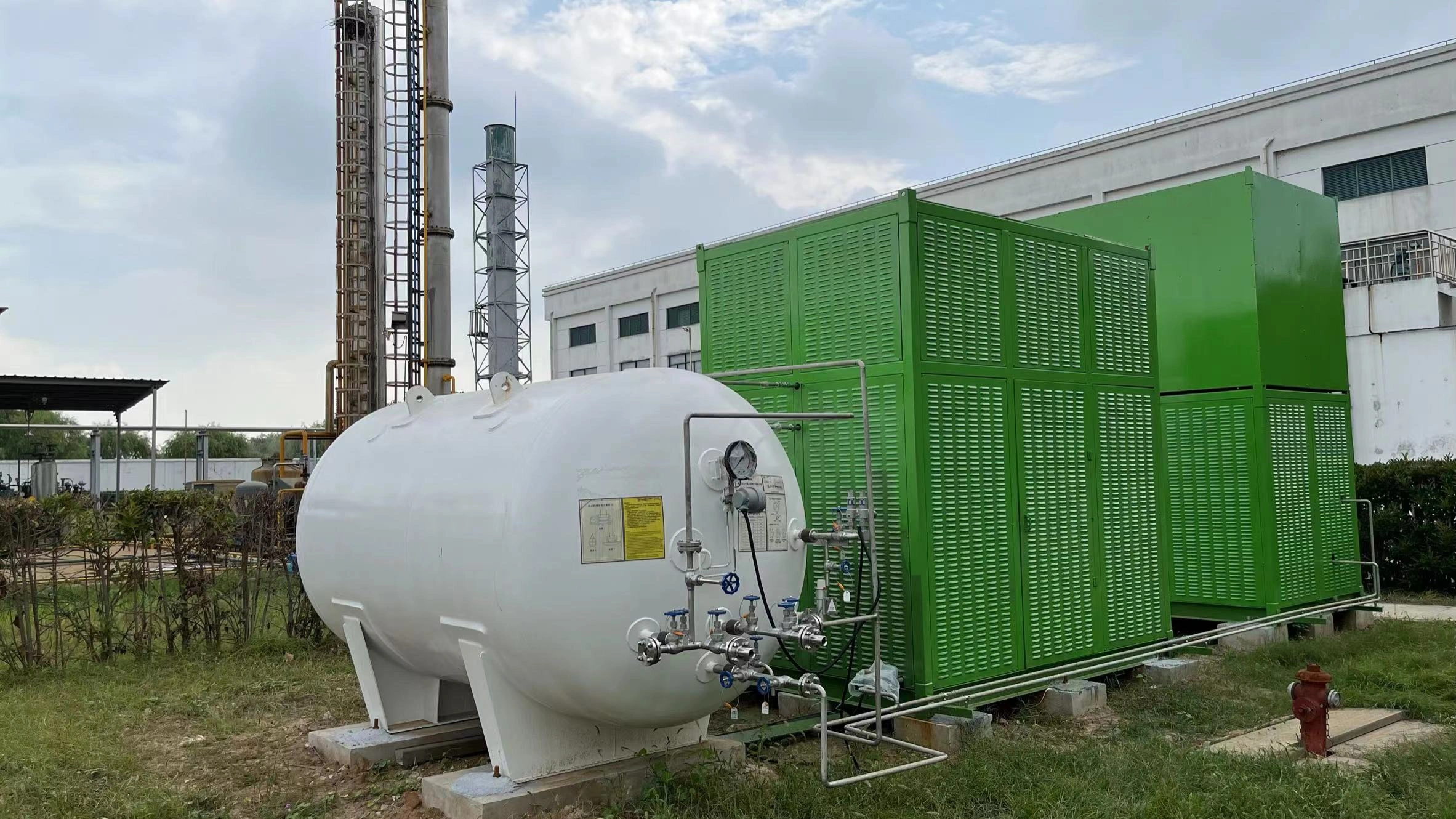
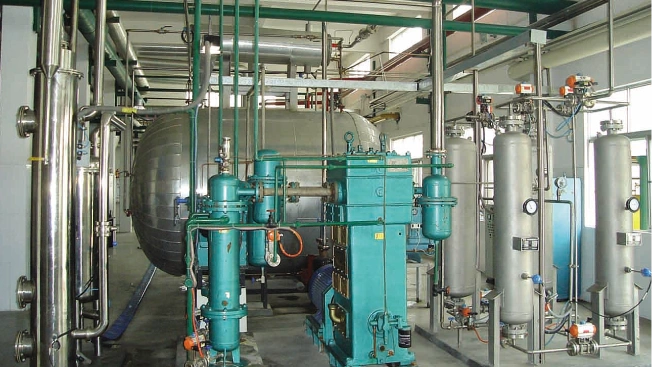
Food and beverage manufacturers are beginning to invest in or partner with CO₂ recovery equipment, such as:
Beer giant Heineken is partnering with a carbon capture company to directly recover CO₂ from the fermentation process.
Industrial exhaust gas recovery: CO₂ is captured from emission sources such as fertilizer plants, ethanol plants, and power plants, and then purified (via amine absorption, membrane separation, and cryogenic liquefaction) to meet food-grade standards.
Biomass fermentation recovery: The fermentation process in beer and bioethanol production can produce high-purity CO₂, with recovery rates exceeding 90%.
NEWS CENTER
[ 2026-01-10 ]
[ 2026-01-10 ]
[ 2025-10-11 ]
[ 2025-09-10 ]

phone:+86 18625958190
Email:cncdtank@gmail.com
Address:Fengquan Industrial Zone, Xinxiang City, China

QR Code
Hotline
Use WeChat "Scan" to add friends for consultation